

%20(1).webp)
Contact Us
Contact Us
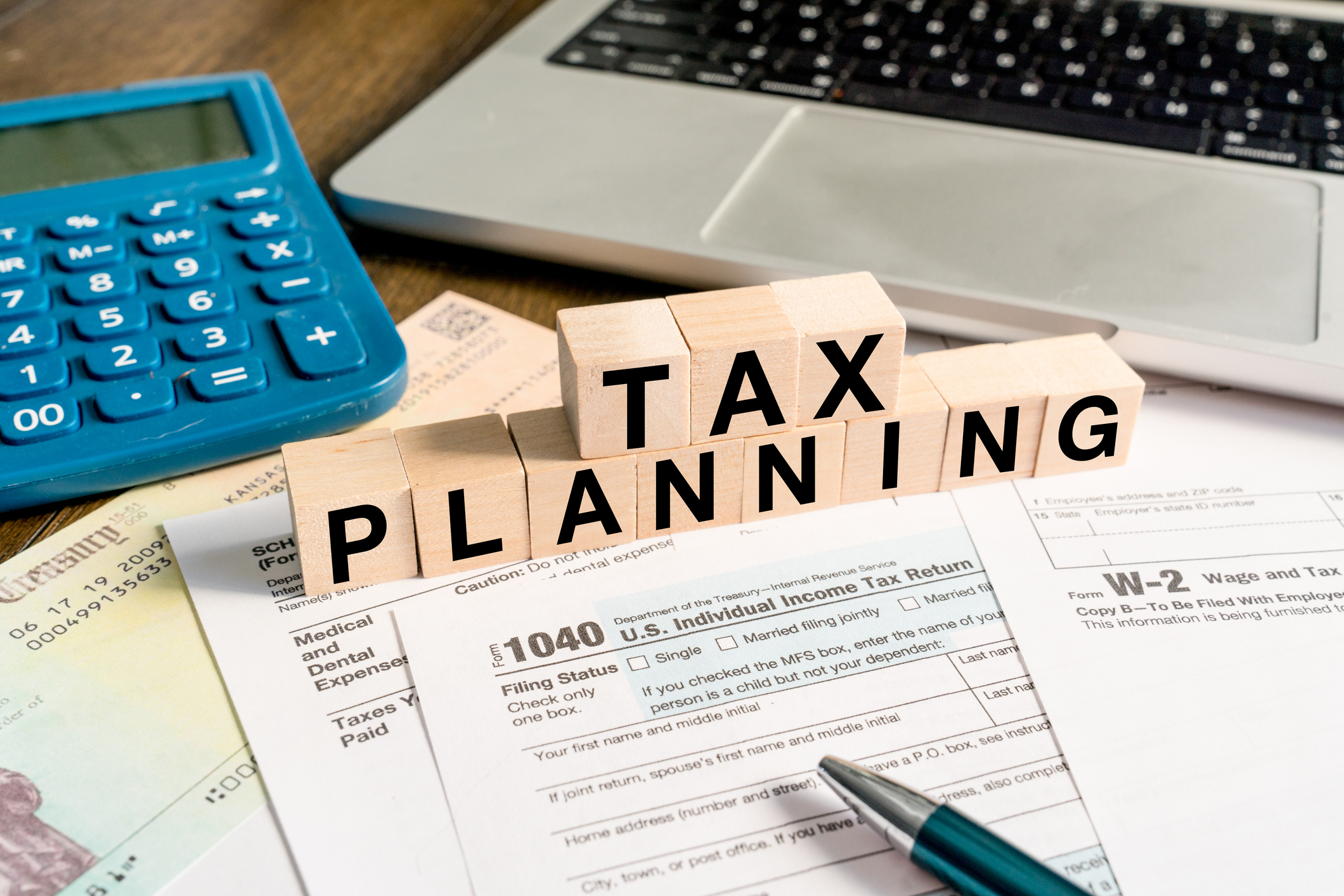
For high-income earners, taxes are often one of the largest expenses—yet one of the least optimized.
Many individuals and business owners assume that if their taxes are filed correctly, they’re doing everything right. But in reality, tax preparation and tax planning are two completely different things.
If you’re earning significant income and only focusing on filing each year, there’s a strong chance you’re overpaying—sometimes by tens of thousands of dollars annually.
Most people operate in a reactive tax cycle:
By the time you’re filing, the opportunity to reduce your tax liability has already passed.
Strategic tax planning flips that model entirely. Instead of looking backward, it focuses on:
This is where firms like LeBeau & Associates CPAs step in—not just to file taxes, but to actively help clients keep more of what they earn.
As income increases, tax complexity increases with it. But most high earners are still using basic strategies designed for average filers.
Common issues include:
Many of these gaps can be addressed through a more comprehensive approach like business advisory services, where financial decisions and tax outcomes are aligned together.
Strategic tax planning isn’t about loopholes—it’s about intentional financial structuring.
Depending on your situation, this can include:
The goal is simple: reduce what you legally owe while maintaining compliance.
These strategies are typically built into a broader plan—not just a one-time adjustment—similar to what’s explained on the LeBeau & Associates CPAs homepage.
Saving $5,000–$10,000 in a single year is helpful.
Saving that amount consistently over 5–10 years becomes transformative.
Strategic planning creates:
Many clients who move from reactive filing to proactive planning are surprised at how much opportunity was previously left on the table.
If you’re currently only filing each year, it may be worth exploring how a more proactive approach—like what’s outlined on the LeBeau & Associates CPAs homepage—can change your financial trajectory.
Strategic tax planning is not necessary—or effective—for everyone.
It tends to provide the most value for:
If your financial situation is relatively simple, standard tax preparation may be enough. But as complexity grows, so does the need for strategy.
The best time to start tax planning is before key financial decisions are made—not after.
Waiting until tax season limits your options. Starting earlier allows you to:

Paying taxes is unavoidable—but overpaying doesn’t have to be.
For high-income earners, the difference between filing taxes and planning for them can mean keeping significantly more of what you earn each year.
If you’ve never explored strategic tax planning before, now is the time to start asking the right questions—and putting a proactive plan in place.
If you’re ready to take a more strategic approach:
👉 Contact LeBeau & Associates CPAs to start building a smarter tax strategy today.